
Avery County Probate Records
North Carolina probate is handled by the Clerk of Superior Court. The NC Judicial Branch estates topic states that the elected Clerk of Superior Court in each county acts as the probate judge, and that elected clerks and assistant clerks hold most estate hearings and preside over most estate cases. For Avery County, the probate office is the Avery County Clerk of Superior Court at the Avery County Courthouse, 200 Montezuma Street, Newland, NC 28657. The local clerk named in the research is Teresa Benfield, and the clerk phone is (828) 737-6700.
Probate covers estate administration after death, wills filed with the clerk, applications for probate or administration, preliminary inventories, letters testamentary, letters of administration, creditor claims, inventories, accountings, orders, and related special proceedings. A will becomes a public record when filed after the decedent's death with the clerk. North Carolina does not require a formal reading of the will.
The official estates image comes from the NC Judicial Branch estates source.
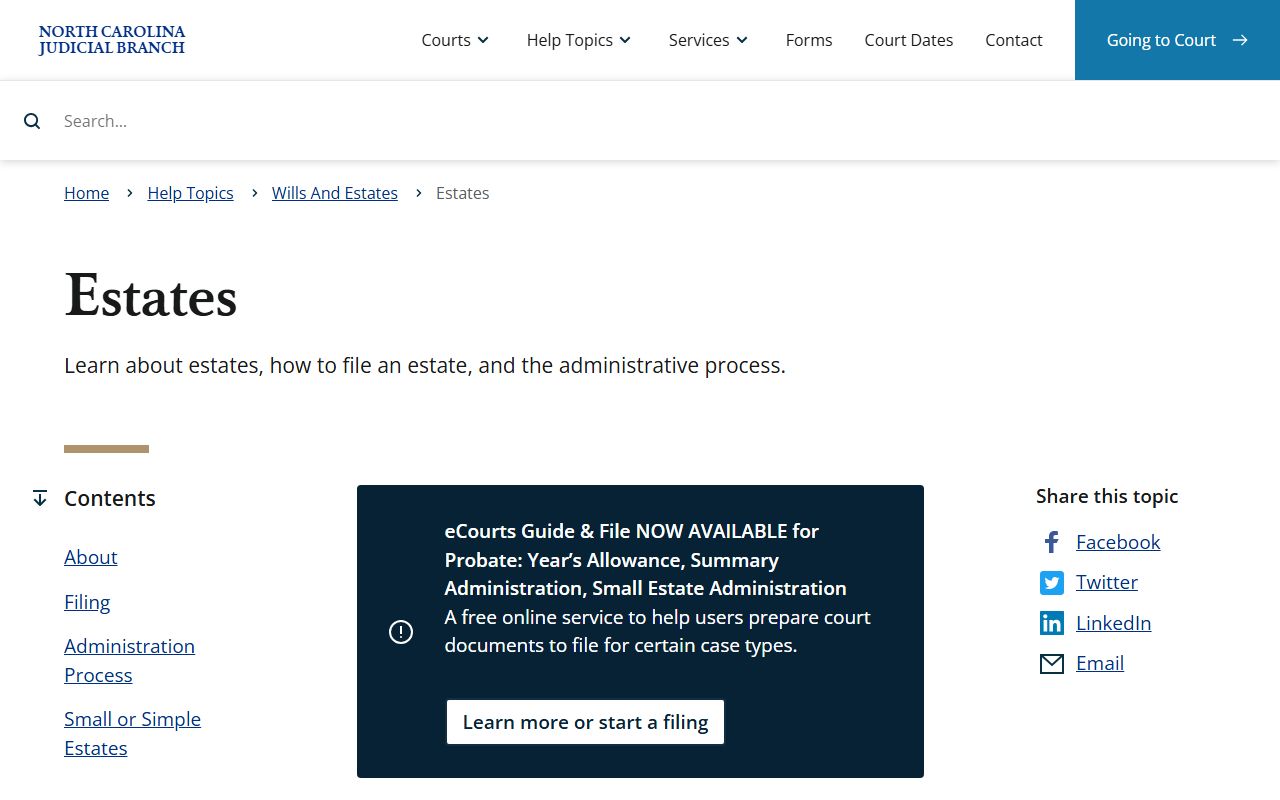
That source is the controlling statewide reference for Avery County estate filings, clerk probate authority, and the filing checklist.
Avery County Probate Terms
Probate records use terms that are precise but easy to misread. A "letter" is not ordinary mail. It is authority from the clerk. A "caveat" is not a routine objection in the estate file. It is a will contest that changes who hears the dispute.
- Testator
- The person who made a will.
- Executor
- The person named in a will to carry out estate administration after qualification.
- Intestate
- Dying without a valid will.
- Letters testamentary
- Authority issued to an executor when there is a will.
- Letters of administration
- Authority issued to an administrator when there is no will or no executor qualifies.
- Guardianship
- A court-supervised arrangement for a person who needs legal decision-making help, with access limits depending on the case.
- Conservatorship
- A property-management concept often used generally, but North Carolina estate filings should be checked for the exact local case type.
Open Avery County Estates
An estate is usually administered in the county where the decedent was domiciled at death. If the person was not domiciled in North Carolina, estate administration may be possible in a North Carolina county where property or assets were located or came into the state. Before opening an Avery County estate, the applicant should find the will, obtain a certified death certificate, locate assets, and contact the clerk.
The official filing checklist says to bring the will if there was one, a certified death certificate, an application and preliminary inventory, and the filing fee. The research gives the starting filing fee as $120. The clerk or assistant clerk reviews qualification and issues letters if appropriate. A personal representative then uses those letters to collect assets, notify creditors, inventory property, pay lawful claims, distribute property, file accountings, and close the estate.
- Confirm that Avery County is the proper estate venue based on domicile or property.
- Gather the will, certified death certificate, preliminary inventory, asset information, and applicant identity.
- Call the Avery Clerk of Superior Court at (828) 737-6700 because some estate filings may require local scheduling.
- File the application and pay the $120 filing fee.
- Receive letters from the clerk if the applicant qualifies.
- File inventories, accountings, and closing documents as the estate moves forward.
Search Avery County Probate Records
Avery County probate record searches can use eCourts Portal Smart Search when estate information is available online. The Portal training materials list Estates as an advanced filtering option. A public result may show case summary details, parties, events, hearings, public documents, and other case information, but availability depends on case type, document type, access level, and confidentiality rules.
Older, paper, or non-digitized estates may require the clerk's office. Paper estate files are available at the clerk's office in the county where the estate is located unless restricted by law or court order. Mail and phone requests use the Clerk of Superior Court, Avery County Courthouse, PO Box 115, Newland, NC 28657, phone (828) 737-6700. For broad court records context, Portal is useful, but certified probate copies still route through the clerk.
| Field Label | Type | Required | Options / Format Notes |
|---|---|---|---|
| Smart Search | Text | Optional | Search by party name, estate name, or case number when known. |
| Location | Filter | Optional | Use Avery County to narrow the search. |
| Advanced Filtering Options | Panel | Optional | Estates is specifically listed by Portal training. |
| Case Filing Date Range | Date range | Optional | Helpful when the estate open date is known. |
| Case Status | Filter | Optional | Open, closed, disposed, or other values may depend on Portal data. |
Avery County Probate Contact
Avery County does not use a separate probate-court building. Probate records and most estate hearings are handled by the Clerk of Superior Court acting as probate judge. The Superior Court judge becomes important when a will caveat challenges validity. That caveat distinction is important because it moves the contested-will issue away from routine clerk administration and to a Superior Court judge.
Avery County Clerk of Superior Court
200 Montezuma Street
Newland, NC 28657
(828) 737-6700
Monday-Friday, 8:00 AM-4:30 PM
Superior Court authority is described by the NC Judicial Branch Superior Court source.
Superior Court context matters in probate when a will caveat or related contested proceeding goes beyond routine clerk estate administration.
Avery County Probate Fees
The research identifies one confirmed estate filing amount from the Judicial Branch estates topic: the filing checklist includes a $120 filing fee. Other copy or certification costs can depend on the document and current court-cost schedules, so they should be verified with the Avery Clerk before sending a mail request. The fee table separates confirmed facts from items that require clerk confirmation.
| Item | Amount / note |
|---|---|
| Estate filing start fee | $120 |
| Certified probate copy | Confirm current copy and certification cost with the Avery Clerk. |
| Plain paper estate copy | Confirm current copy cost with the Avery Clerk. |
| Older estate file search | Use clerk in-person, mail, or phone access if not available in Portal. |
| Register of Deeds vital copy | Separate office and fee path, useful for death certificates, not the estate file. |
Avery County Estate Guide File
eCourts Guide & File is available for several North Carolina probate-related filings. The research identifies Probate: Year's Allowance, Summary Administration, and Small Estate Administration as available Guide & File options. These options can help prepare filings, but they do not erase the need to confirm venue, file in the proper county, pay required fees, and respond to clerk requests.
Small estate, summary administration, and year's allowance procedures can be narrower than a full estate. The right path depends on assets, family status, will terms, debts, and North Carolina law. A public record search may show a filing after it is accepted, but it may not show every draft, rejected form, or private document. Public users should distinguish a filing-preparation tool from the official estate record held by the clerk.
NCVitals is not a probate filing portal, but it can relate to vital-record copy needs around estate administration.
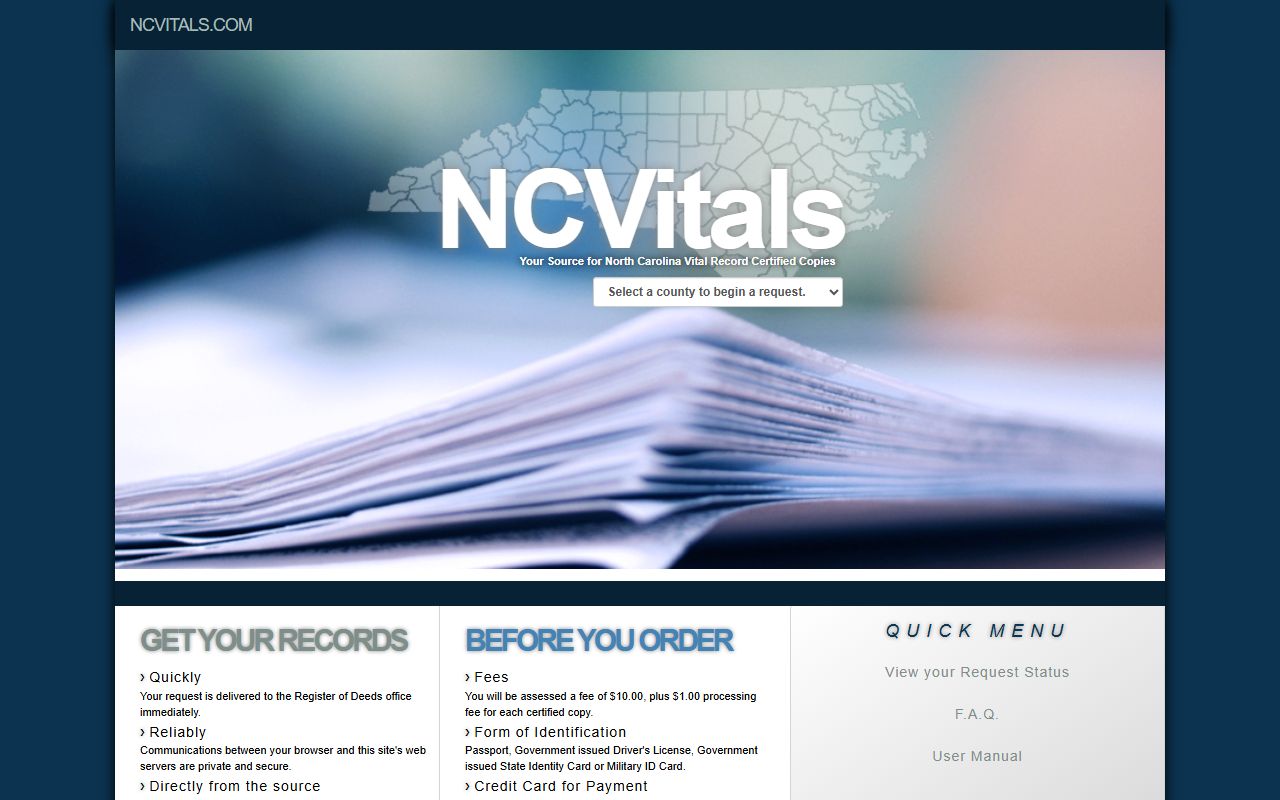
Estate applicants often need a certified death certificate before filing, while the probate case itself remains with the Clerk of Superior Court.
Guide & File context is available through the NC Judicial Branch Guide & File related source.
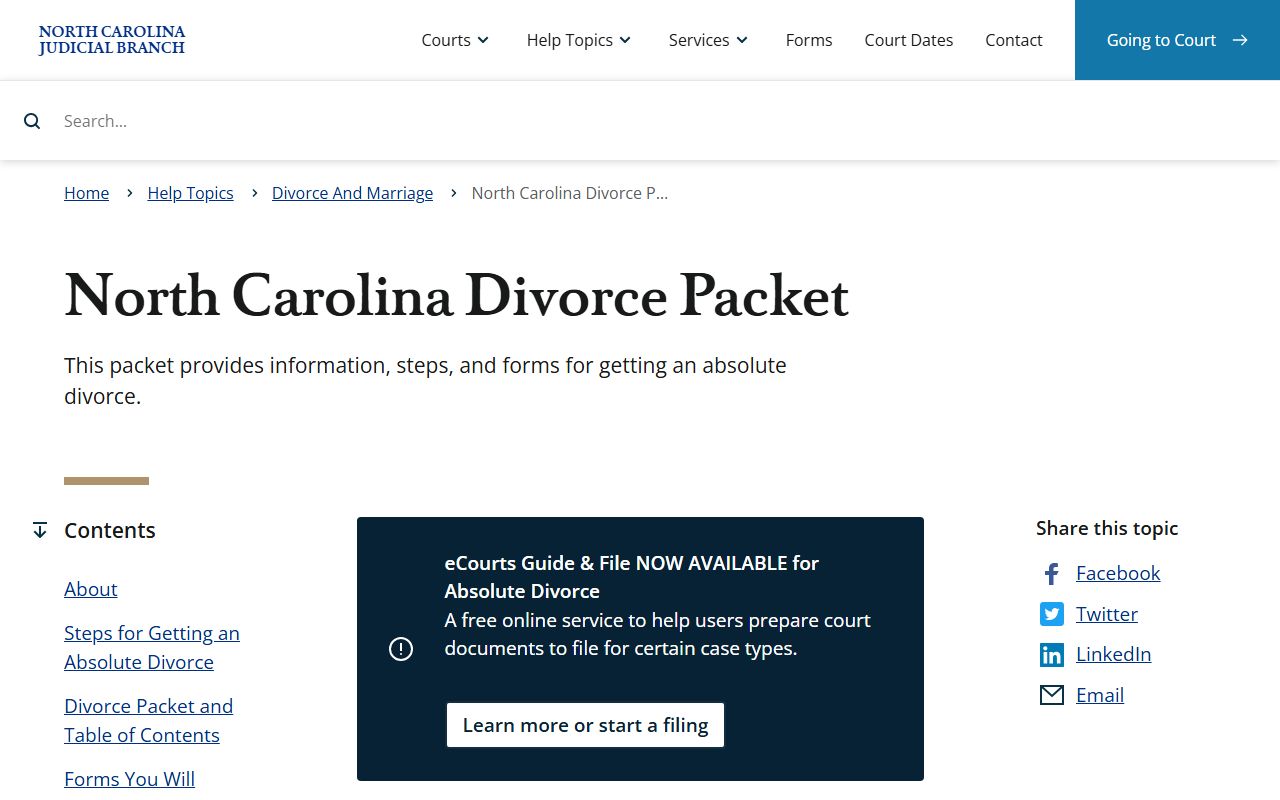
Guide & File availability should be read by case type because probate filing options are separate from divorce packet tools.
Avery County Probate Contents
An Avery County probate file can include the will filed after death, application for probate or administration, preliminary inventory, family history or heir information, resident process agent forms for some nonresident applicants, letters, creditor notices, claims, inventories, accountings, receipts, orders, and closing documents. Caveat filings may appear when someone challenges the validity of a will, but the caveat itself is heard by a Superior Court judge.
Not every estate file has every document. An intestate estate has no valid will. A small estate may have a shorter record. A contested estate may have more orders and hearing entries. A will kept before death is not the same as the public estate file after death. Living-person will safekeeping questions should be directed to the clerk and to counties where the person formerly lived if location is uncertain.
| Probate record field | What it may show |
|---|---|
| Estate name | The decedent or estate caption used by the clerk. |
| Case number | The court file number assigned to the estate or special proceeding. |
| Personal representative | Executor, administrator, or other qualified fiduciary. |
| Letters issued | Authority granted by the clerk to act for the estate. |
| Inventory | Initial property and asset information filed with the estate. |
| Accountings | Reports of receipts, payments, distributions, and administration status. |
| Caveat entry | A contested-will proceeding that goes to a Superior Court judge. |
Note: Juvenile, mental health, sealed, and protected identifier material should not be treated as ordinary public probate information.